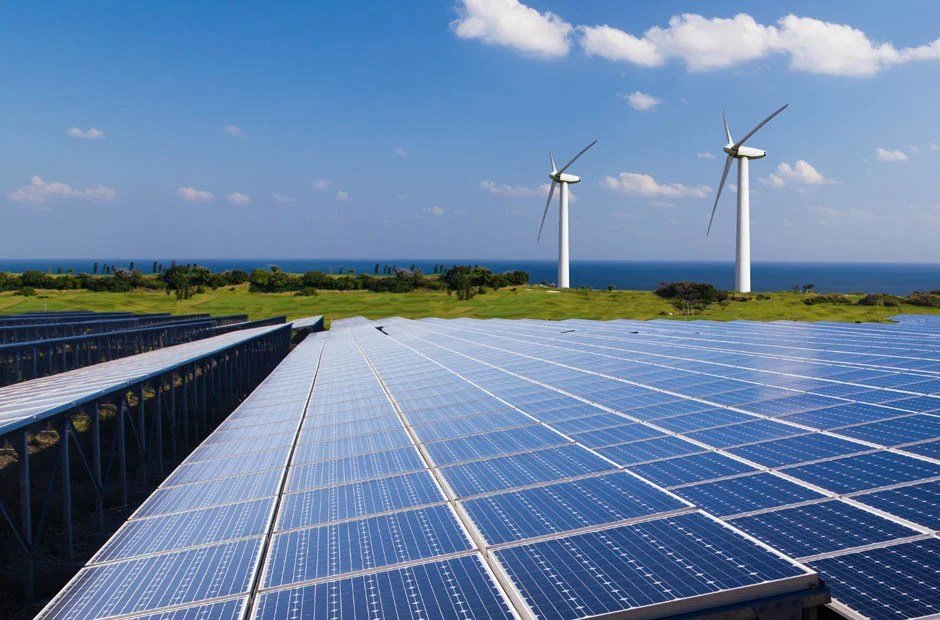
The hum of electricity powers our modern world, but for too long, that power has come at a steep environmental cost. Today, we stand at a critical juncture, embarking on a transformative Sustainability & Electrification Path – a journey to rewire our energy systems, not just for power, but for permanence. This isn't merely an upgrade; it's a fundamental reimagining of how we generate, distribute, and consume energy, moving away from a fossil fuel past towards a future powered by the sun, wind, and water.
This path promises a world where our energy needs are met responsibly, without depleting resources or inflicting lasting damage on the planet. It’s a complex, multi-faceted shift that touches every aspect of our lives, from the cars we drive to the lights in our homes and the industries that fuel our economies. Understanding this transition isn't just for experts; it's for everyone who will live in, work in, and shape this new energy reality.
At a Glance: Your Guide to the Sustainability & Electrification Path
- What it is: A global effort to power society with clean, renewable electricity, generated and consumed responsibly.
- Why it matters: Essential for combating climate change, improving public health, achieving energy independence, and fostering economic growth.
- The Problem it Solves: Traditional electrification relies heavily on fossil fuels, releasing vast amounts of greenhouse gases and driving climate change.
- Core Pillars: Shifting to renewable energy, modernizing electricity grids, deploying robust energy storage, maximizing energy efficiency, and establishing supportive policies.
- Key Challenges: Integrating variable renewable sources, ensuring grid security and resilience, and guaranteeing equitable access to energy for all.
- Your Role: From adopting solar panels and EVs to advocating for supportive policies, every action contributes to this critical transition.
The Unavoidable Shift: Why Electrify Sustainably?
For centuries, human progress has been intertwined with energy. The Industrial Revolution harnessed coal, then oil and natural gas, propelling civilization forward at an unprecedented pace. But this progress came with a heavy, often unseen, cost. The very engine of our advancement – burning fossil fuels – releases massive quantities of greenhouse gases, primarily carbon dioxide, trapping heat in our atmosphere and driving the climate crisis. This isn't just an abstract scientific concern; it manifests as rising global temperatures, more frequent and intense extreme weather events, and profound disruptions to ecosystems and human communities worldwide.
The urgent need for a Sustainability & Electrification Path stems directly from this challenge. It's about moving beyond the destructive legacy of fossil fuels and embracing a cleaner, more resilient, and truly sustainable energy paradigm. This isn't just about reducing emissions; it's about building a better future.
The Promise of Sustainable Electrification
Imagine a world where the air is cleaner, energy bills are more stable, and power outages are rare. This is the promise of sustainable electrification. By transitioning to predominantly renewable sources like solar, wind, hydro, and geothermal, we dramatically reduce our carbon footprint. But the benefits extend far beyond climate action:
- Improved Air Quality and Public Health: Less reliance on burning fuels means fewer pollutants released into the air, leading to fewer respiratory illnesses and a higher quality of life.
- Energy Independence and Price Stability: Harnessing abundant domestic renewable resources reduces reliance on volatile global fossil fuel markets, bringing greater national energy security and more predictable pricing.
- Economic Growth and Innovation: The renewable energy sector is a hotbed of innovation, creating new jobs, fostering technological advancements, and stimulating local economies.
- Enhanced Resilience: A diversified energy portfolio, with decentralized generation and robust storage, makes our grids more resilient to extreme weather events and other disruptions.
This path isn't just an environmental imperative; it's a blueprint for a healthier, more prosperous, and more stable future.
Defining the New Energy Landscape (NEL): A Quadruple Transformation
The world is already moving towards a New Energy Landscape (NEL), a paradigm shift driven by four interconnected forces: electrification, decentralization, digitalization, and decarbonization. This isn't a gradual evolution; it's a rapid, profound transformation. In 2022, electricity accounted for about 20% of final energy consumption, but the International Energy Agency (IEA) projects this to nearly triple by 2050. This surge isn't just about more power; it's about fundamentally changing how we get it and use it.
Electrification: The Core Driver
At its heart, the NEL is about electrification – powering more aspects of our lives with electricity rather than direct fossil fuel combustion. This means everything from our cars to industrial processes and home heating. Think electric vehicles (EVs), heat pumps replacing gas furnaces, and electrified manufacturing plants. This shift dramatically increases demand for electricity, making the source of that electricity absolutely critical.
Decentralization: Power from the People
Gone are the days when power flowed primarily from a few massive, centralized power plants. The NEL embraces decentralization, with power being generated closer to where it's consumed. Rooftop solar panels, community wind farms, and localized battery storage systems – these are all examples of distributed energy resources (DERs) that empower individuals and communities to become "prosumers," both producing and consuming electricity.
Digitalization: The Brains of the Grid
Powering a decentralized, electrified world requires intelligence. This is where digitalization comes in. Smart meters, advanced grid management software, and real-time data analytics are transforming our energy systems from passive infrastructure into active, responsive networks. Digitalization allows for optimized energy flows, predictive maintenance, and seamless integration of diverse energy sources.
Decarbonization: The Ultimate Goal
Underpinning all these shifts is the urgent need for decarbonization – drastically reducing greenhouse gas emissions across all sectors. While electrification is the vehicle, decarbonization is the destination. By powering electrification with renewable sources, we can achieve true net-zero emissions, mitigating the worst impacts of climate change.
The Pillars of Sustainable Electrification: Building Blocks for a Brighter Future
The journey on the Sustainability & Electrification Path isn't about one grand solution, but a strategic combination of interconnected components. Think of them as the foundational pillars supporting this new energy future.
Harnessing Clean Energy: The Renewable Revolution
At the forefront of sustainable electrification is a wholesale transition to clean, renewable energy sources for electricity generation. These are the workhorses that replace fossil fuels, producing power with minimal to zero operational greenhouse gas emissions.
- Solar Power: From photovoltaic (PV) panels on rooftops to vast utility-scale solar farms, harnessing the sun's energy is becoming increasingly affordable and efficient. Concentrated Solar Power (CSP) systems also capture solar heat to generate electricity.
- Wind Power: Whether from towering onshore turbines or massive offshore wind farms, wind energy converts kinetic energy into electricity with remarkable efficiency.
- Hydropower: Utilizing the force of flowing water, typically through dams or run-of-river systems, hydropower is a long-standing, reliable source of clean energy.
- Geothermal Energy: Tapping into the Earth's internal heat, geothermal plants use steam to drive turbines and generate electricity, offering a constant, baseload power source.
- Biomass Energy: While requiring careful management to ensure sustainability, biomass can convert organic matter into electricity, often serving as a flexible renewable option.
These sources are not just alternatives; they are the future of electricity generation.
A Smarter Grid for a Decentralized World: Smart Grids & Microgrids
Integrating variable renewable energy and managing decentralized power requires a sophisticated, flexible electricity network.
Modernizing the Network
The traditional grid was designed for one-way power flow from large power plants. Today's "smart grids" enable two-way communication and energy flow, crucial for handling distributed energy resources (DERs) like rooftop solar. They use advanced sensors, real-time data, and automated controls to optimize energy delivery, improve reliability, and adapt to changing supply and demand. Systems like Advanced Distribution Management Systems (ADMS) and Distributed Energy Resource Management Systems (DERMS) are vital for this complex orchestration.
Local Powerhouses: The Role of Microgrids
Microgrids are localized energy systems that can operate independently from, or connected to, the main grid. They combine local generation (often renewables), storage, and load management, offering enhanced reliability and resilience, especially for remote communities or areas with unreliable grid connections. They're invaluable for ensuring energy access for underserved populations and bolstering critical infrastructure during emergencies.
Storing the Sun and Wind: The Power of Energy Storage
Renewable sources like solar and wind are intermittent – they only produce power when the sun shines or the wind blows. This variability is a key challenge, making energy storage solutions indispensable.
Technologies like lithium-ion, sodium-ion, and solid-state batteries are rapidly evolving, allowing us to store surplus renewable energy for use when needed. Pumped hydro storage, thermal energy storage, and even hydrogen production offer other large-scale storage options. These solutions balance supply and demand, ensuring grid stability and maximizing the value of renewable energy.
Efficiency First: The Smartest Energy is the One You Don't Use
Perhaps the most overlooked, yet most impactful, pillar is energy efficiency. Simply reducing our overall energy consumption lessens the demand on the grid and decreases the amount of new generation required. This means:
- Smarter Buildings: Energy-efficient building designs, insulation, LED lighting, and smart thermostats.
- Efficient Appliances: Using high-efficiency washing machines, refrigerators, and other electronics.
- Industrial Optimization: Implementing energy management systems and optimizing processes in factories.
- Demand-Side Management: Programs that incentivize consumers to shift their electricity use to off-peak hours, balancing the grid more effectively.
Every kilowatt-hour saved is a kilowatt-hour that doesn't need to be generated, making efficiency a cornerstone of the Sustainability & Electrification Path.
Policy & Regulation: Steering the Ship
Transforming an entire energy system requires clear direction and supportive frameworks. Government policies and regulations play a pivotal role in accelerating the transition:
- Renewable Energy Targets: Setting ambitious goals drives investment and innovation.
- Feed-in Tariffs and Tax Incentives: Financial mechanisms that encourage the adoption of renewables.
- Carbon Pricing: Making the true cost of carbon emissions visible to incentivize cleaner alternatives.
- Grid Codes: Regulations that facilitate the seamless integration of diverse renewable sources into the existing grid infrastructure.
These policy tools create the stable, predictable environment necessary for long-term investment and widespread adoption of sustainable energy technologies.
A Just Transition: Ensuring No One Is Left Behind
The shift away from fossil fuels inevitably impacts communities and workers dependent on those industries. A core tenet of sustainable electrification is ensuring a "just transition." This means:
- Retraining Programs: Providing new skills and job opportunities for workers displaced from fossil fuel sectors.
- Community Investment: Supporting economic diversification in affected regions.
- Affordable Energy Access: Ensuring that the benefits of clean energy, including lower costs and improved health, are accessible to all, especially vulnerable populations who have historically borne the brunt of pollution.
This pillar addresses the critical social and economic dimensions, striving for an energy future that is not just clean, but also equitable and inclusive.
Navigating the Complexities: Key Challenges and How to Address Them
While the promise of sustainable electrification is immense, the path forward is not without its hurdles. These challenges require innovative solutions, collaborative efforts, and strategic foresight.
Integrating Intermittent Renewables
The variability of solar and wind power remains a significant technical challenge for grid operators. How do we ensure a constant, reliable supply of electricity when the sun sets or the wind dies down?
- Advanced Forecasting: Better weather prediction helps grid operators anticipate renewable output.
- Flexible Generation: Deploying quick-response power plants (often natural gas, but increasingly battery storage) to fill gaps.
- Demand Response: Incentivizing consumers to adjust their energy use in real-time based on grid conditions.
- Geographic Diversity: Spreading renewable energy projects across wide areas to mitigate localized weather impacts.
Securing the Digital Grid: Cybersecurity and Resilience
As our energy grids become more digitalized and interconnected, they also become more vulnerable to cyberattacks and physical disruptions. Ensuring grid resilience and cybersecurity is paramount.
- Robust Cybersecurity Protocols: Implementing stringent security measures for all digital components of the grid.
- Distributed Architecture: Decentralized DERs can actually enhance resilience by providing local power when the main grid is compromised.
- Physical Hardening: Protecting critical infrastructure from extreme weather events and other physical threats.
Universal Access: Bridging the Energy Divide
Globally, hundreds of millions still lack access to reliable electricity, and billions more experience energy poverty. Sustainable electrification must address this inequity.
- Microgrids and Off-Grid Solutions: AC and DC microgrids, powered by solar and battery storage, are ideal for providing energy to remote and underserved communities, bypassing the need for extensive, costly grid extensions.
- Affordable Tariffs: Designing pricing structures that make clean energy accessible to all income levels.
Supply Chains for Critical Minerals
Many renewable energy technologies and battery storage systems rely on critical minerals like lithium, cobalt, and rare earth elements. The sourcing and processing of these minerals present environmental and geopolitical challenges.
- Diversification of Supply: Reducing reliance on a single source country.
- Responsible Mining Practices: Ensuring ethical labor and environmental standards.
- Recycling and Circular Economy: Developing robust systems for recycling valuable materials from spent batteries and components to reduce demand for new mining.
The Indispensable Role of Standards: Unlocking Interoperability and Safety
In a rapidly evolving and increasingly complex energy landscape, standardization is not just helpful; it's absolutely critical. Imagine buying a new electric car charger only to find it doesn't communicate with your car, or installing solar panels that can't seamlessly integrate with your home energy management system. Standards prevent this chaos, ensuring that diverse technologies from different manufacturers can work together efficiently, safely, and securely.
Just as clear specifications allow engineers to design a robust vehicle like the next-gen BMW X7 with countless integrated components, standards provide the blueprint for reliable and interoperable energy systems.
Ensuring Safety and Reliability
Electricity can be dangerous if not handled correctly. Standards establish essential safety requirements for everything from residential electrical installations (both AC and DC) to high-voltage grid infrastructure. They define how components should be built, tested, and installed to protect lives and property, ensuring the inherent reliability of our energy systems.
Seamless Integration: The Power of Interoperability
The NEL is characterized by a multitude of distributed energy resources – rooftop solar, EV chargers, battery storage, smart appliances – all needing to communicate and cooperate. Interoperability standards act as a common language, allowing these disparate components to "talk" to each other. This enables:
- Home Energy Management Systems (HEMS): Seamlessly managing energy flow between solar panels, batteries, and appliances.
- EV Charging Infrastructure: Ensuring that any EV can charge at any charging station.
- Smart Grid Functionality: Allowing grid operators to dynamically manage loads and integrate DERs effectively.
Without these standards, the potential of a truly flexible and responsive smart grid would remain untapped.
Shaping the Future: From Design to Market
Standards don't just react to technology; they help shape its future. They guide engineering practices, define performance benchmarks, and clarify specifications for emerging technologies like DC distribution systems within buildings. More broadly, standards translate complex regulatory goals – like decarbonization targets – into practical technical requirements, accelerating the adoption of clean energy solutions globally. They create a level playing field, foster innovation, and build consumer confidence, ultimately speeding up the Sustainability & Electrification Path for everyone.
Real-World Impact: How It Looks on the Ground
The concepts of sustainable electrification might seem abstract, but their impact is tangible and transforming communities worldwide.
- A City Embraces Solar and Smart Grids: Imagine a medium-sized city in the sunny southwest. Public buildings are covered in solar panels, residents receive incentives for rooftop solar and EV chargers, and the local utility has implemented a smart grid. This grid uses digital sensors to predict peak demand, reroute power during outages, and even draw stored energy from household batteries during extreme heatwaves, ensuring residents have reliable power while dramatically reducing carbon emissions.
- Rural Microgrids Bring Power to Remote Communities: In a remote village previously reliant on expensive, dirty diesel generators, a new microgrid powered by a combination of solar panels and a small wind turbine provides 24/7 electricity. Local residents are trained to operate and maintain the system, fostering economic empowerment and improved quality of life through consistent access to light, refrigeration, and communication.
Your Role in the Electrification Journey: What You Can Do
The Sustainability & Electrification Path is a collective journey, but individual and organizational actions are crucial. Every decision, big or small, contributes to accelerating this vital transition.
For Individuals & Households
- Embrace Electrification: Consider an electric vehicle for your next car. Look into heat pumps for heating and cooling your home. Swap gas stoves for induction cooktops.
- Go Solar: If feasible, install rooftop solar panels. Even if not, support community solar projects.
- Boost Efficiency: Use energy-efficient appliances, seal drafts in your home, switch to LED lighting, and be mindful of your energy consumption.
- Choose Green Energy: If your utility offers it, opt for a renewable energy plan.
- Advocate: Speak to your local representatives about policies that support renewable energy, smart grids, and a just transition.
For Businesses & Industries
- Invest in Renewables: Install solar on your facilities, purchase renewable energy credits (RECs), or sign power purchase agreements (PPAs) for off-site renewable energy.
- Electrify Operations: Transition your vehicle fleet to EVs, electrify industrial processes, and replace fossil fuel-powered machinery with electric alternatives.
- Optimize Efficiency: Conduct energy audits, implement smart building management systems, and invest in energy-saving technologies.
- Supply Chain Sustainability: Demand sustainable practices from your suppliers, particularly concerning critical minerals.
- Innovation: Invest in R&D for new clean energy technologies and sustainable business models.
For Communities & Governments
- Set Ambitious Targets: Establish clear, aggressive goals for renewable energy adoption and emissions reduction.
- Update Infrastructure: Invest in modernizing the grid, including smart grid technologies and charging infrastructure for EVs.
- Develop Supportive Policies: Implement feed-in tariffs, tax incentives, building codes that promote efficiency, and carbon pricing mechanisms.
- Foster a Just Transition: Create job training programs, economic development initiatives, and support systems for workers and communities affected by the shift away from fossil fuels.
- Champion Microgrids: Support the deployment of microgrids for enhanced resilience and energy access, especially in vulnerable areas.
Looking Ahead: The Road to a Fully Electrified, Sustainable World
The Sustainability & Electrification Path is an ambitious undertaking, but it's one we are already well on our way to realizing. It represents a monumental opportunity to reshape our relationship with energy, moving from a finite, polluting model to one that is clean, abundant, and enduring. This comprehensive transformation of our socio-technical systems will require continuous innovation, robust policy frameworks, and a collective commitment from individuals, industries, and governments alike.
As we navigate this new energy landscape, the benefits – a stable climate, cleaner air, economic prosperity, and energy security – will ripple across generations. The future is electric, and with thoughtful, sustainable electrification, it will be brighter than ever before.