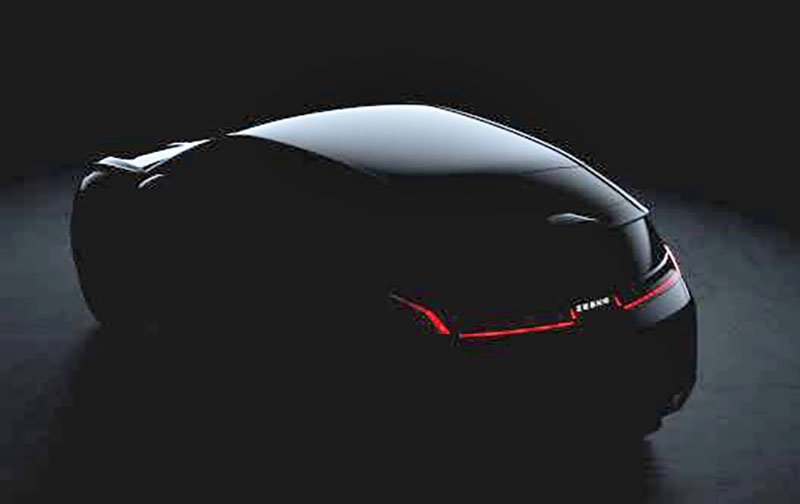
If you've ever found yourself scrolling through car news, eyes widening at a grainy photo of a camouflaged vehicle, or dissecting a manufacturer's cryptic video clip, you've been initiated into the captivating world of Spy Shots, Leaks & Official Teasers. These tantalizing glimpses aren't just fodder for gossip; they're critical peeks into the future of automotive design, technology, and market trends, hinting at models long before they hit showrooms. For car enthusiasts and savvy buyers alike, understanding this intricate dance of revelation and concealment is like having a crystal ball, offering early insights into what’s next on the road.
At a Glance: Decoding the Future of Cars
- Spy Shots: Photos of prototypes undergoing real-world testing, often heavily camouflaged to obscure design details. They reveal basic proportions, a vehicle's stance, and sometimes interior layouts.
- Leaks: Unofficial releases of confidential information, ranging from design patents and internal documents to production images. These are often the clearest early look.
- Official Teasers: Deliberate, controlled releases from manufacturers – short videos, cropped images, or cryptic messages – designed to build anticipation and manage the narrative around a new model.
- Why They Matter: They shape market anticipation, influence purchasing decisions, and provide a window into industry innovation and competitive strategies.
- How to Interpret: Look for clues in camouflage, verify sources for leaks, and understand the psychological game behind official teasers.
The Unveiling Game: What Exactly Are We Talking About?
The automotive world is a perpetual cycle of innovation, design, and market strategy. Long before a new model graces a showroom floor, it undergoes years of development. During this secretive process, opportunities arise for glimpses to emerge, whether accidentally, intentionally, or through diligent investigative work.
Spy Shots: The Camouflage Chronicles
Imagine a car cloaked in a dizzying array of black-and-white swirls, or perhaps fitted with bizarre plastic cladding that distorts its silhouette. These are spy shots, candid photographs of prototype vehicles undergoing real-world testing on public roads, race tracks, or even within factory compounds. These vehicles are purposefully disguised, their true forms hidden beneath layers of vinyl wrap, fake body panels, and even strategically placed padding.
The goal? To test critical components like engines, transmissions, suspension, and braking systems in diverse conditions without giving away the final design prematurely. For keen observers, however, even heavy camouflage can't hide everything. You can often discern the basic proportions, wheel sizes, exhaust configurations, and even subtle hints of lighting signatures. Observing these shots over time allows you to track a vehicle's development, watching as it sheds layers of disguise and its true identity slowly emerges.
Leaks: The Digital Whispers
Leaks are arguably the most potent form of pre-reveal information because they often offer unfiltered, undeniable truths. These aren't just blurry photos from a distance; they can be anything from detailed design patents filed with intellectual property offices, screenshots of internal presentations, CAD renderings, or even full production images prematurely posted online by an insider.
Leaks are typically unauthorized and can range from accidental slips to deliberate acts by disgruntled employees or hackers. While a manufacturer might publicly condemn a leak, privately, some might welcome the buzz it generates, especially if it's positive. The internet, with its rapid information dissemination, has become a fertile ground for these digital whispers, making it incredibly difficult for automakers to keep secrets under wraps completely. A true leak can provide a surprisingly comprehensive look at a new car, sometimes even its interior, specifications, or trim levels.
Official Teasers: The Controlled Hype Machine
On the other end of the spectrum from rogue leaks are official teasers – carefully orchestrated marketing maneuvers by the automakers themselves. These are strategic snippets of information, often presented as short, atmospheric videos, dimly lit close-up images, or cryptic social media posts. The intent is to build anticipation, generate excitement, and control the narrative around an upcoming model.
Teasers are designed to give just enough information to pique interest without revealing too much. They often highlight a specific design element, a technological innovation, or a performance metric. Think of them as cinematic trailers for a new car: they set the mood, introduce key themes, and leave you wanting more. They are a crucial part of a manufacturer's pre-launch strategy, allowing them to gauge public reaction and refine their messaging before the full reveal.
Why Do Automakers Play This Game (Or Have It Played On Them)?
The dance between secrecy and revelation isn't just for show; it serves several strategic purposes for manufacturers, even when information gets out against their will.
Building Buzz and Anticipation
This is perhaps the most obvious benefit, especially for official teasers. In an increasingly crowded market, generating excitement long before a car's launch can translate into pre-orders, media coverage, and a strong public awareness campaign. A well-executed teaser campaign can ensure a new model arrives with significant fanfare, rather than quietly slipping into the market.
Sometimes, even leaks can inadvertently serve this purpose. An unexpected reveal can shock the market, creating immediate discussion and keeping a brand relevant in the news cycle. This buzz is critical for new electric vehicles, where companies aim to capture early adopters and establish market presence against established players.
Testing in Plain Sight
For spy shots, the rationale is purely practical. Automakers need to test prototypes in real-world conditions – on various road surfaces, in different climates, and under diverse driving scenarios. These tests are vital for refining performance, durability, and safety. While secret test tracks exist, they can't replicate the sheer variety of public roads and traffic conditions.
The camouflage acts as a deterrent and a disguise, hoping to prevent precise identification and detailed photography, but it doesn't stop the critical testing process. The appearance of a camouflaged prototype signals that a new model is indeed progressing, adding credibility to future announcements.
Responding to the Market (and Competitors)
Early glimpses can also serve as a barometer. If a competitor is rumored to be developing a groundbreaking feature, a manufacturer might subtly let slip details of their own upcoming innovation. This can be a way to counter rival narratives or even adjust their own development strategy based on market feedback generated by leaked information or teaser reactions. In this highly competitive industry, staying ahead means knowing what everyone else is doing, and sometimes, letting others know what you're doing.
Managing Expectations and Narratives
Official teasers are carefully crafted to control public perception. They allow automakers to highlight specific features they want associated with the new model, shaping the narrative before external critics or competitors can. If a car has a radical design, a teaser might focus on one striking element to soften the initial shock or prime the audience for a bold new direction.
Leaks, while uncontrolled, also contribute to a narrative, albeit one that's harder for the manufacturer to steer. Sometimes, a leak might reveal a design that's still rough around the edges, leading to negative early reactions. This can be a double-edged sword, either forcing a company to address concerns or leaving them to deal with an unfavorable impression.
From Camo to Concept: Decoding the Clues
Learning to "read" spy shots and leaks is an art form. It requires a keen eye for detail, an understanding of automotive design principles, and a healthy dose of skepticism.
The Art of Camouflage: What to Look For
Automakers are incredibly clever with their disguises, but they can't hide everything. Here’s what seasoned observers typically scrutinize:
- Fake Panels & Body Cladding: Look for unnatural bulges or flat sections, especially around fenders, bumpers, and rooflines. These often hide the true curves and aerodynamic elements. A car that looks boxy in a spy shot might actually be sleek underneath.
- Obscured Headlights & Taillights: Lights are key identifiers. Manufacturers often use temporary, generic lights or heavy tape to obscure the unique LED signatures of the final production units. Try to discern the shape of the light cluster through the tape.
- Tire & Wheel Clues: The tires and wheels on prototypes might not be final production versions, but their size and how they fill the wheel wells can tell you a lot about the vehicle's stance and potential performance. Performance variants often have larger, wider tires.
- Exhaust & Powertrain Hints: The number and placement of exhaust tips can indicate engine size or type. A single, small exhaust might suggest an entry-level engine or even an electric powertrain where the exhaust is just a dummy. Conversely, multiple, large pipes hint at performance. The sound, if captured on video, can be a dead giveaway for engine type – think the distinct rumble of a V8 versus the whine of an electric motor.
- Interior Peeks: Screens and Layouts: Often, spy photographers catch glimpses of the interior. Look for the size and placement of infotainment screens, the shape of the dashboard, and the layout of controls. These reveal trends in cabin design and technology. Sometimes, wires and testing equipment are visible, confirming it's a development mule.
Distinguishing a True Leak from a Clever Render
The line between a genuine leak and a highly realistic fan-made render has blurred significantly. Modern digital artists can create incredibly convincing images.
- Verifying Sources: For leaks, the source is everything. Is it from a reputable journalist known for breaking news, or an anonymous forum post? Look for consistent reporting across multiple, unrelated sources. Official intellectual property filings (patents, trademarks) are almost always reliable indicators of future models or features.
- Look for Inconsistencies: Real prototypes and production vehicles, even in leaks, often have tiny imperfections, reflections that seem natural, or backgrounds that fit real-world locations. Renders, while often flawless, can sometimes have slightly unnatural lighting, reflections, or textures. Are the shadows realistic? Does the car look like it truly belongs in its environment?
- Understanding the Digital Artform: Many artists use leaked CAD data or even official teasers as a base for their renders. They fill in the blanks of camouflaged prototypes based on educated guesses. While often incredibly accurate, they are still interpretations. A good way to [dive deeper into understanding automotive design trends]dive deeper into understanding automotive design trends is to follow how these artists interpret early visual cues.
- The Porsche 911 GT2 RS '992' Example: A recent example highlighting this blend is the highly anticipated 2026 Porsche 911 GT2 RS '992'. Spied undergoing extensive testing, photos from outlets like TopSpeed show its aggressive aerodynamics, larger air intakes, and distinctive rear wing. Despite heavy camouflage on some early test mules, the overall silhouette and performance-oriented details became evident, allowing enthusiasts and journalists to confidently predict its imminent official debut and performance capabilities. This demonstrates how even with disguise, the essence of a performance machine can't be fully hidden.
The Journey from Prototype to Production: A Timeline of Revelation
The development of a new vehicle is a lengthy, multi-stage process, and the types of spy shots, leaks, and teasers you see evolve as the car gets closer to launch.
- Early Mule Testing: Formless Function: The earliest prototypes, often called "mules," might use the body shell of an existing model but house the powertrain and chassis of the new vehicle. These are purely for engineering validation. Spy shots of mules are rare and often just show a familiar car with unusual modifications (e.g., wider wheel arches, strange exhaust pipes).
- Alpha/Beta Prototypes: Shape Emerges: As development progresses, the new car's actual body shell starts to appear, though still heavily camouflaged. This is where we see the first hints of its unique proportions and design language. These prototypes are crucial for aerodynamic testing, crash tests, and fine-tuning driving dynamics.
- Pre-Production Models: Near-Final Form: Closer to launch, camouflage becomes lighter. Sometimes, only specific badges or intricate headlight/taillight details are taped over. Leaks of these models are common, often showing nearly production-ready vehicles inside factories or during logistics. These often precede official teasers.
- Official Teasers & Concepts: Manufacturer's Narrative: The manufacturer takes control. They might release concept cars that hint at the design direction, or a series of teasers leading up to the full reveal. These are carefully managed drops of information designed to maximize impact and conversation. This stage often includes insights into the advanced technology, such as the [evolution of autonomous driving features]discover the evolution of autonomous driving features.
- The Grand Reveal: All Cards on the Table: The car is officially unveiled at an auto show, a dedicated event, or a global online stream. All secrets are out, and the full specifications, pricing, and availability are announced. This is the culmination of years of work and the climax of the pre-launch hype cycle. For a comprehensive look at what goes into developing a flagship, you might [Learn about the BMW X7 next-generation]Learn about the BMW X7 next-generation.
The Players and Their Roles: Who's Who in the Reveal Drama
This intricate game involves a cast of characters, each playing a distinct part in how future car models come to light.
The Automakers: Strategists and Gatekeepers
At the center are the manufacturers themselves. They orchestrate the entire development process, from initial design concepts to final production. They invest billions in R&D, and their primary goal is to protect intellectual property, control the narrative, and maximize the impact of a new model launch. They deploy camouflage, enforce strict non-disclosure agreements (NDAs), and plan meticulous teaser campaigns.
The Test Drivers: Unwitting (or Witting) Accomplices
These are the unsung heroes who put the prototypes through their paces. While they are bound by strict company policies, they are also the ones driving these camouflaged vehicles on public roads, making them the most visible targets for spy photographers. Sometimes, a "witting" test driver might even subtly assist a photographer, though this is rare and carries significant risk.
The Spy Photographers: The Vigilantes
These dedicated individuals (or teams) spend countless hours tracking, stalking, and photographing camouflaged prototypes. They often have networks of contacts, know popular testing routes, and possess specialized equipment. They work for automotive magazines, websites, and photo agencies, providing the raw material for spy shots that fuel enthusiast discussions. Car Magazine's extensive "Spy Shots" section is a testament to their relentless work.
The Leakers: The Anonymous Insiders
This group is shrouded in mystery. Leakers are often disgruntled employees, curious suppliers, or even individuals with access to internal documents who decide to share them, sometimes for financial gain, other times out of a desire to expose information. Their actions are unauthorized and can have significant legal repercussions, but they often provide the most definitive early looks.
The Automotive Journalists: The Interpreters and Storytellers
Journalists play a crucial role in analyzing, interpreting, and contextualizing the information from spy shots, leaks, and official teasers. They piece together the puzzle, using their industry knowledge, contacts, and critical thinking to separate fact from speculation. They provide the narrative, often collaborating with designers and engineers to explain what the visual clues really mean, helping readers understand, for instance, [how digital renders impact car marketing]learn how digital renders impact car marketing.
Ethical Lines and Legal Grey Areas: Navigating the Information Wild West
While exciting, the world of pre-release information isn't always clear-cut. There are significant ethical and legal considerations at play.
The Fine Line of Intellectual Property
Automakers fiercely protect their intellectual property (IP). Leaks of design patents, internal documents, or even early production images can constitute a breach of IP law and confidentiality agreements. Companies can (and do) pursue legal action against leakers and sometimes even publishers who disseminate stolen information. The goal is to protect their competitive advantage and the significant investment in R&D.
When is a "Leak" Actually a Controlled Release?
Sometimes, what appears to be an accidental leak is, in fact, a carefully calculated "controlled leak" by the manufacturer. This allows them to subtly introduce information, gauge public reaction, or even overshadow a competitor's upcoming announcement, all while maintaining plausible deniability. It's a sophisticated marketing tactic that leverages the internet's thirst for exclusive content.
The Impact on Brand Control
Every leak or teaser contributes to the public perception of a new vehicle. If a design is revealed prematurely and receives negative feedback, it can harm the brand's image and create an uphill battle for the marketing team. Conversely, a positive early reaction can build momentum. Automakers aim for maximum control over this narrative, making unauthorized leaks a significant threat to their carefully crafted brand image.
Beyond the Hype: Practical Guidance for the Enthusiast
For those eager to stay ahead of the curve, here’s how to navigate this information landscape effectively and extract genuinely useful insights.
How to Critically Evaluate a Spy Shot or Leak
- Consider the Source: Is it a reputable automotive news outlet with a track record of accurate reporting, or a brand new account on a social media platform? Prioritize established journalists and publications.
- Look for Consistency: Do multiple, independent sources corroborate the information? A single, isolated "leak" should be viewed with skepticism.
- Check the Details: As discussed, analyze the camouflage, background, and specific features. Does anything look photoshopped or out of place? Does the vehicle appear road-legal, or does it seem like a static image?
- Gauge the Context: Is the photo taken at a known test facility, a public road, or somewhere more suspicious?
What Information is Actually Useful?
While all snippets are interesting, focus on what truly informs your understanding of the future model:
- Proportions and Stance: These are hard to hide and give you a fundamental idea of the car's overall character (e.g., sleek coupe, imposing SUV).
- Powertrain Hints: Exhaust configurations, charging ports, or even the sound of an engine in a video can tell you if it's ICE, hybrid, or pure EV. This connects directly to larger trends like [future electric vehicle technology]explore the advancements in future electric vehicle technology.
- Interior Layout (if visible): The general arrangement of screens, buttons, and steering wheel design indicates the direction of ergonomics and technology.
- Design Language Evolution: Even with camouflage, you can often discern recurring design cues that align with the brand's current aesthetic or hint at a new direction.
Setting Realistic Expectations
Remember that prototypes are works in progress. What you see in a spy shot might not be the final production design. Engineering changes, cost considerations, and regulatory requirements can all lead to modifications before launch. Don't fall in love with a feature seen on an early prototype that might never make it to production.
When to Trust Official Teasers
Official teasers are inherently trustworthy in terms of their intent – the manufacturer is deliberately showing you something. However, they are also designed to be evocative and selective. Understand that they are marketing tools. They will highlight strengths and downplay weaknesses. Use them to understand the manufacturer's vision for the car, but wait for the full reveal for complete details.
The Future of Foreshadowing: AI, VR, and New Frontiers
The landscape of pre-release information is constantly evolving. Advances in technology are changing how automakers manage secrecy and how enthusiasts discover new models. AI can now be used to create highly convincing fake renders, making the task of distinguishing real from fake even harder. Virtual reality and augmented reality experiences might become part of official teaser campaigns, allowing consumers to "step inside" a concept car long before its physical debut. The cat-and-mouse game between automakers and information seekers will only grow more sophisticated, making the thrill of the chase all the more engaging.
Your Roadmap to Future Automotive Innovations
The world of spy shots, leaks, and official teasers is a dynamic and exhilarating way to engage with the automotive industry. It's a testament to our collective fascination with the future and the lengths to which both manufacturers and enthusiasts will go to catch a glimpse of what's next. By understanding the motivations, the methods, and the subtle clues, you can move beyond simply observing these glimpses to actively participating in the ongoing narrative of automotive innovation. So, the next time you see a heavily camouflaged car flash across your screen, you'll have the tools to decode its secrets and truly see the future, one tantalizing detail at a time.