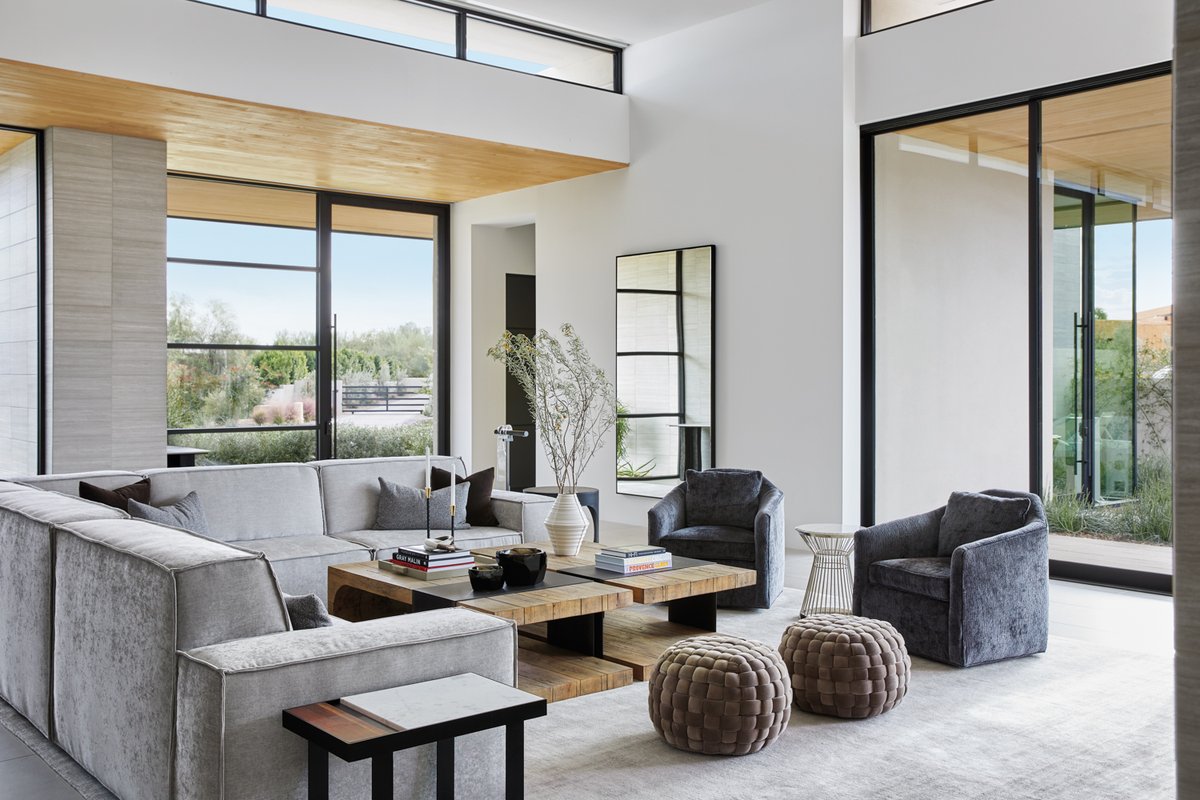
The very definition of luxury is undergoing a profound metamorphosis. What once signified pure, unadulterated opulence — gilded excesses and grand, often impractical, statements — is now evolving into something far more sophisticated, nuanced, and deeply personal. Today, the conversation around Luxury Interior & Comfort Innovations is less about extravagance for its own sake and more about crafting environments that resonate with deeper human needs: well-being, authenticity, technological fluency, and a profound connection to the world around us.
This isn't merely a shift in aesthetics; it's a fundamental re-evaluation of what makes a space truly valuable. As a seasoned observer of design and lifestyle trends, I've watched as discerning clients, from high-net-worth homeowners to visionary hoteliers, have begun seeking more than just beauty. They desire experiences, stories, and spaces that adapt intuitively to their lives, offering both profound comfort and a silent nod to a more conscious way of living. This pillar article will unpack the driving forces behind these innovations, exploring how they are shaping both our homes and the most exquisite hospitality settings.
At a Glance: The New Pillars of Luxury Design
- Beyond Opulence: Luxury is now defined by bespoke experiences, sophisticated comfort, and genuine connection, not just extravagance.
- Smart & Seamless: Technology is integrated invisibly, enhancing convenience, personalization, and interaction without overwhelming the senses.
- Green & Grand: Sustainability is a core tenet, employing eco-conscious materials, energy solutions, and biophilic design for harmony with nature.
- Personal Narratives: Spaces are deeply individualized, reflecting unique tastes, histories, and cultural references through handcrafted elements and tailored experiences.
- Artful Living: Interiors are curated like galleries, with sculptural pieces and bespoke installations serving as focal points.
- Timeless Yet Modern: A new classicism emerges, blending traditional elegance with contemporary amenities and innovative twists.
- Global Echoes: Design draws inspiration from diverse cultures, creating rich, eclectic, and travel-infused environments.
- Sanctuaries of Serenity: Wellness is paramount, with spaces designed to promote physical and mental well-being through thoughtful layouts, natural elements, and advanced systems.
- Sensory Richness: Color palettes are deepening, and textures are layered to create multisensory atmospheres that engage and delight.
The Quiet Revolution: Redefining Luxury for the Modern Age
For decades, "luxury" in interior design was synonymous with a specific, often ornate, aesthetic. Think heavy draperies, elaborate carvings, and an overt display of wealth. While elements of this classic grandeur persist, the underlying philosophy has undergone a significant transformation. Today's luxury is far more sophisticated, focusing less on show and more on substance, experience, and bespoke individuality.
This isn't to say beauty and exquisite materials are no longer important. Quite the contrary. But now, these elements serve a higher purpose: to create an environment that feels uniquely tailored, deeply comfortable, and effortlessly functional. The shift is towards spaces that don't just look expensive but feel inherently valuable, promoting well-being and reflecting a curated lifestyle. It’s about quiet luxury, where quality speaks louder than flashy labels, and comfort is paramount. This evolution shapes both private residences and high-end hospitality venues, where guest experiences are meticulously crafted to feel both exclusive and intimately personal.
The Invisible Hand: Technology's Seamless Integration
Technology is no longer a bolt-on feature; it's an intrinsic part of the luxury interior, operating as an invisible, intelligent assistant. The goal isn't just to add gadgets, but to integrate systems so seamlessly that they enhance daily life without demanding attention.
Smart Home as a Silent Butler: Imagine walking into your home, and the lighting subtly adjusts to the time of day, your favorite playlist begins, and the climate settles to your preferred temperature—all without a single command. This is the promise of advanced home automation systems. Voice-activated assistants, once a novelty, are now sophisticated interfaces for controlling everything from security and entertainment to window treatments and even coffee makers. AI-based solutions learn your habits and preferences, anticipating needs before they arise, offering a level of convenience and personalization previously unimaginable. For instance, intelligent lighting systems can mimic natural circadian rhythms, improving sleep and mood, while sophisticated climate controls maintain optimal air quality and temperature with silent efficiency.
Hospitality's Digital Embrace: In hotels, technology elevates the guest experience to an art form. Automated room controls allow guests to customize every aspect of their environment—lighting scenes, temperature, entertainment—from a single, intuitive interface, often a tablet or their own smartphone. Touchless services, from check-in to in-room dining, are becoming standard, providing both hygiene and a sense of effortless modernity. These immersive technological environments respond to individual preferences, crafting a stay that feels less like a hotel visit and more like a personalized retreat.
Breathing Easy: Sustainability as the New Standard
Once a niche concern, sustainability is now a non-negotiable aspect of luxury design. It’s not just about doing good; it’s about smart design choices that offer long-term value, enhance living quality, and reflect a conscious lifestyle. The new luxury celebrates materials with a story, processes that respect the planet, and designs that maximize natural resources.
Materials with a Conscience: High-end interiors are increasingly embracing sustainable materials. Reclaimed wood, with its rich patina and history, finds new life in flooring, furniture, and wall cladding. Recycled metals are transformed into elegant fixtures and decorative accents. Organic fabrics, free from harmful chemicals, grace upholstery, bedding, and draperies, ensuring both comfort and a healthy indoor environment. The focus is on materials that are not only eco-friendly but also durable, beautiful, and contribute to the overall well-being of the inhabitants.
Biophilic Design: Connecting with Nature: The integration of biophilic components—bringing elements of the natural world indoors—is a powerful trend. Large windows maximize natural lighting, reducing energy consumption and boosting mood. Vertical gardens and living walls purify the air and add vibrant, living artistry. Indoor water features introduce soothing sounds and a sense of tranquility. Passive design techniques and green architecture are employed to create spaces that breathe, adapting to their environment and minimizing their ecological footprint. This isn't just about aesthetics; it's about merging luxury with eco-friendliness to create truly restorative environments.
The Art of the Bespoke: Crafting Individual Narratives
In an increasingly standardized world, the ultimate luxury is uniqueness. Homeowners and hospitality businesses alike are seeking personalized spaces that tell a story, reflecting distinct tastes, cherished memories, and cultural references. This is where individuality truly shines.
Handcrafted Exclusivity: Gone are the days of cookie-cutter luxury. The emphasis is on handcrafted furniture, bespoke artwork, and individualized décor accents that define exclusivity. Imagine a dining table commissioned from a master woodworker, a rug custom-designed to echo a family crest, or a collection of art curated specifically for a space. These elements aren't just decorative; they are conversation starters, reflections of personal journeys, and investments in enduring beauty. This level of personalization extends to every detail, from custom cabinetry that perfectly fits a specific collection to unique hardware finishes that elevate everyday interactions.
Hyper-Personalization in Hospitality: The hospitality sector is pushing the boundaries of personalization. Boutique hotels are moving beyond standard room categories to offer tailored experiences. This could manifest as a personalized room fragrance chosen prior to arrival, bespoke digital interactions that remember guest preferences from previous stays, or even an in-room art collection curated to a guest's expressed interests. The goal is to create an environment that feels less like a temporary stay and more like a carefully crafted extension of the guest's own world, making each visit memorable and deeply personal.
Where Art Meets Abode: Design as Expression
Luxury interiors are increasingly becoming curated galleries, where functional spaces double as canvases for artistic expression. The line between décor and art blurs, transforming rooms into immersive, experiential environments.
Sculptural Statements: Rather than merely hanging pictures, designers are incorporating sculptural pieces as focal points. A dynamic metal sculpture might anchor a living room, or an oversized ceramic piece could define an entryway. Statement lighting fixtures are no longer just sources of illumination; they are often breathtaking installations in themselves, casting dramatic shadows and adding an architectural dimension. Detailed wall sculptures and bespoke installations crafted from unexpected materials elevate a room from merely well-decorated to truly inspiring. This integration of art ensures that every glance offers something new to discover, balancing functionality with profound artistic appeal.
Echoes of Elegance: Blending Tradition with Tomorrow
In a counter-trend to ultra-modern minimalism, there's a significant resurgence of traditional aspects within luxury design. However, this isn't a mere nostalgic recreation; it's a sophisticated blend, where classic grandeur is injected with modernity to create a look that is both timeless and strikingly current.
A New Classicism: Imagine decorative moldings that frame contemporary art, lavish chandeliers suspended above sleek, minimalist furniture, or rich, deeply upholstered pieces juxtaposed with polished concrete floors. This dynamic interplay of old and new creates a layered aesthetic that feels both grand and grounded. Boutique hotels, in particular, excel at this, often preserving historical architectural features like ornate ceilings or intricate brickwork while integrating cutting-edge amenities and contemporary design elements. This blend offers a sense of history and gravitas, infused with the comfort and functionality demanded by modern living.
A World of Inspiration: Global Tapestries in Design
The interconnectedness of our world has expanded the palette of design inspiration exponentially. Luxury interiors are now dynamic melting pots of global cultural influences, creating eclectic, travel-inspired spaces that tell a rich, worldly story.
Eclectic Elegance: From the serene minimalism of Japanese Zen gardens to the vibrant patterns and textures of Moroccan souks, elements from diverse cultures are being thoughtfully woven into contemporary luxury designs. This could manifest as a meticulously crafted Japanese-style shoji screen integrated into a bedroom, a collection of hand-painted tiles from Portugal gracing a kitchen backsplash, or vivid textiles from West Africa adding warmth and color to a living area. Hospitality spaces are particularly adept at incorporating handmade décor, local materials, and artwork that pay homage to their geographical context, offering guests not just a place to stay, but a rich cultural experience that celebrates authenticity and craftsmanship.
Sanctuaries of Serenity: Wellness Woven into Every Thread
The ultimate luxury in our fast-paced world is peace of mind and physical well-being. Luxury interior design is increasingly prioritizing spaces that actively promote health, relaxation, and a sense of calm. This goes far beyond a simple gym room.
Homes as Retreats: High-end homes are transforming into personal wellness retreats. Think integrated home spas complete with saunas, steam rooms, and cold plunges. Meditation rooms, designed for quiet contemplation, feature soothing colors, natural light, and perhaps gentle soundscapes. Biophilic retreats, with lush indoor greenery and controlled environments, offer a restorative escape. Every element, from the air purification systems ensuring pristine indoor air quality to the carefully chosen non-toxic materials, contributes to a holistic sense of well-being.
Hospitality's Wellness Revolution: The hospitality sector is at the forefront of this wellness-oriented design revolution. Hotels are designing rooms with circadian lighting systems that adjust throughout the day to support natural sleep cycles. Integrated spa experiences are not just amenities but a core part of the room's design philosophy. You might find in-room yoga mats, personalized aromatherapy diffusers, or even advanced sleep tracking technology. This redefines luxury as a holistic experience, ensuring guests depart feeling more refreshed, recharged, and healthier than when they arrived. The journey of comfort and innovation extends to every aspect, even to how we envision and experience cutting-edge mobility, much like exploring advancements in vehicles such as the future BMW X7.
The Sensory Palette: Colors, Textures, and Tactile Experiences
The evolution of luxury design is also deeply rooted in how we experience spaces through our senses. The current trend moves beyond the once-dominant neutral tones towards a richer, more evocative palette, combined with a heightened focus on texture.
Deep, Evocative Hues: Expect to see a departure from minimalist whites and grays towards deeper, more impactful colors. Jewel tones—think emerald greens, sapphire blues, ruby reds—are making a strong comeback, often used as accent walls, luxurious upholstery, or statement pieces. Rich blues, from deep navy to vibrant cobalt, and sophisticated emerald greens evoke a sense of calm and natural elegance. These colors are chosen not just for their visual appeal but for their psychological impact, creating environments that feel enveloping, refined, and emotionally resonant.
A Symphony of Textures: Sensory experiences are maximized through the intelligent blend of diverse materials. Velvet cushions invite touch, adding a layer of opulent softness. Textured wallpaper creates depth and visual interest, making walls feel less flat and more dimensional. Metallic finishes—whether brushed brass, polished chrome, or antiqued bronze—introduce a reflective quality, playing with light and adding a touch of glamour. Natural stone, raw wood, and supple leather provide organic contrast, grounding the space. This interplay of textures creates a multisensory atmosphere that is both visually stunning and deeply satisfying to interact with.
Navigating the Future: Crafting Your Own Luxury Narrative
The future of luxury interior design is undeniably exciting, marked by a convergence of innovation, sustainability, and profound individualization. It moves beyond the traditional notions of extreme indulgence, shifting towards the creation of genuine, engaging, and thoughtfully curated environments that truly resonate with the modern self. This isn't just about accumulating beautiful objects; it's about crafting a lifestyle, fostering well-being, and expressing a unique identity.
For those embarking on this journey, whether designing a home or a hospitality space, consider these guiding principles:
- Prioritize Experience: How do you want to feel in this space? How will guests experience it? Focus on the emotional and functional journey rather than just the visual outcome.
- Embrace Intentional Technology: Look for smart solutions that disappear into the background, serving your comfort and convenience without being obtrusive. Technology should simplify, not complicate.
- Invest in Conscience: Choose materials and designs that reflect a commitment to sustainability. Not only is it responsible, but eco-friendly materials often bring an unparalleled quality and unique aesthetic.
- Celebrate Uniqueness: Seek out bespoke pieces, local craftsmanship, and global inspirations that tell your story. Your space should be a reflection of who you are, not a replica of a showroom.
- Integrate Wellness Holistically: Think about light, air quality, sound, and natural elements. How can the design actively contribute to your physical and mental well-being?
The luxury interiors of tomorrow are not just about what you own, but how you live, how you feel, and the thoughtful narrative your space tells. It's about designing environments that are not only beautiful but also intelligent, ethical, and deeply personal. It’s an invitation to live, work, and relax in spaces that genuinely enhance life.